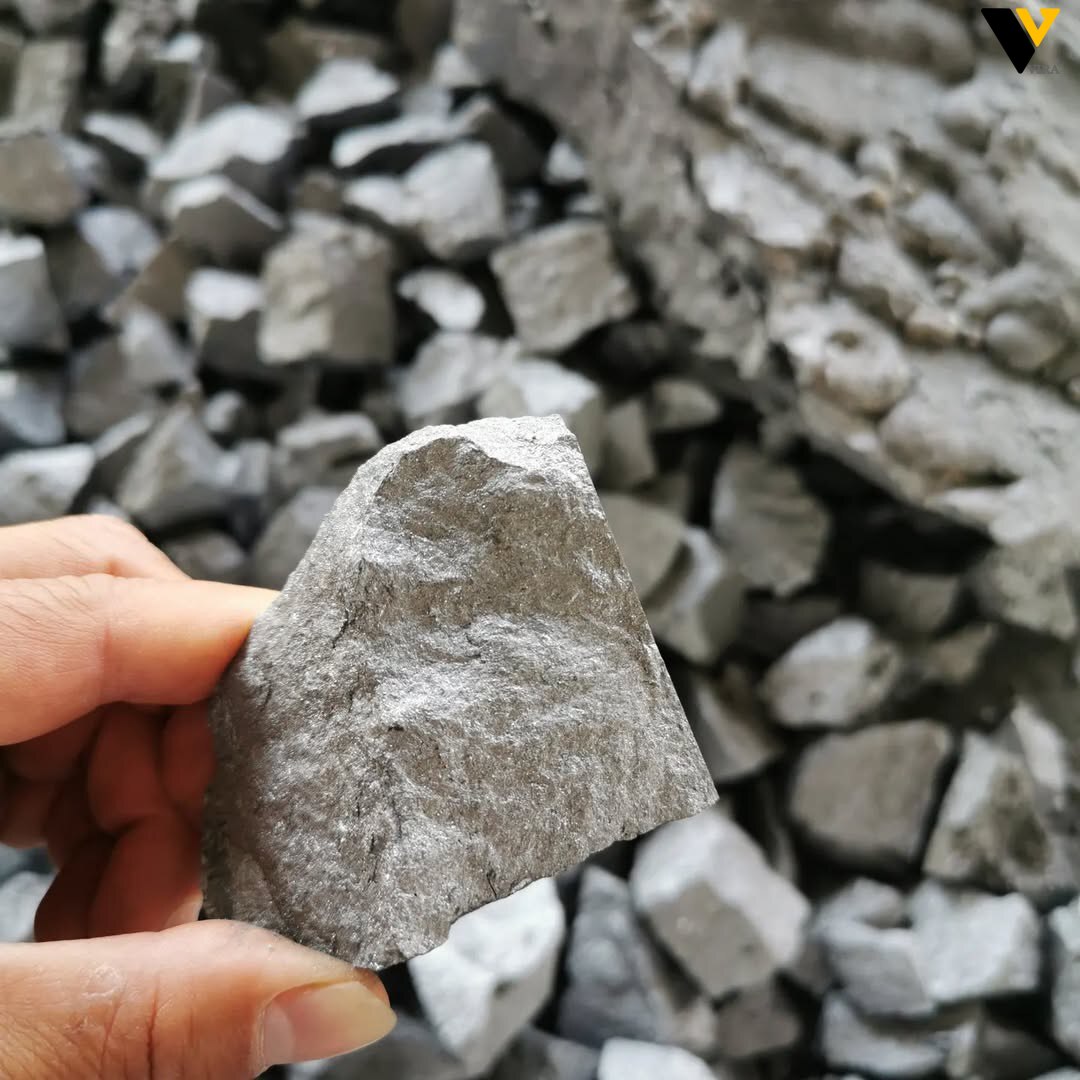
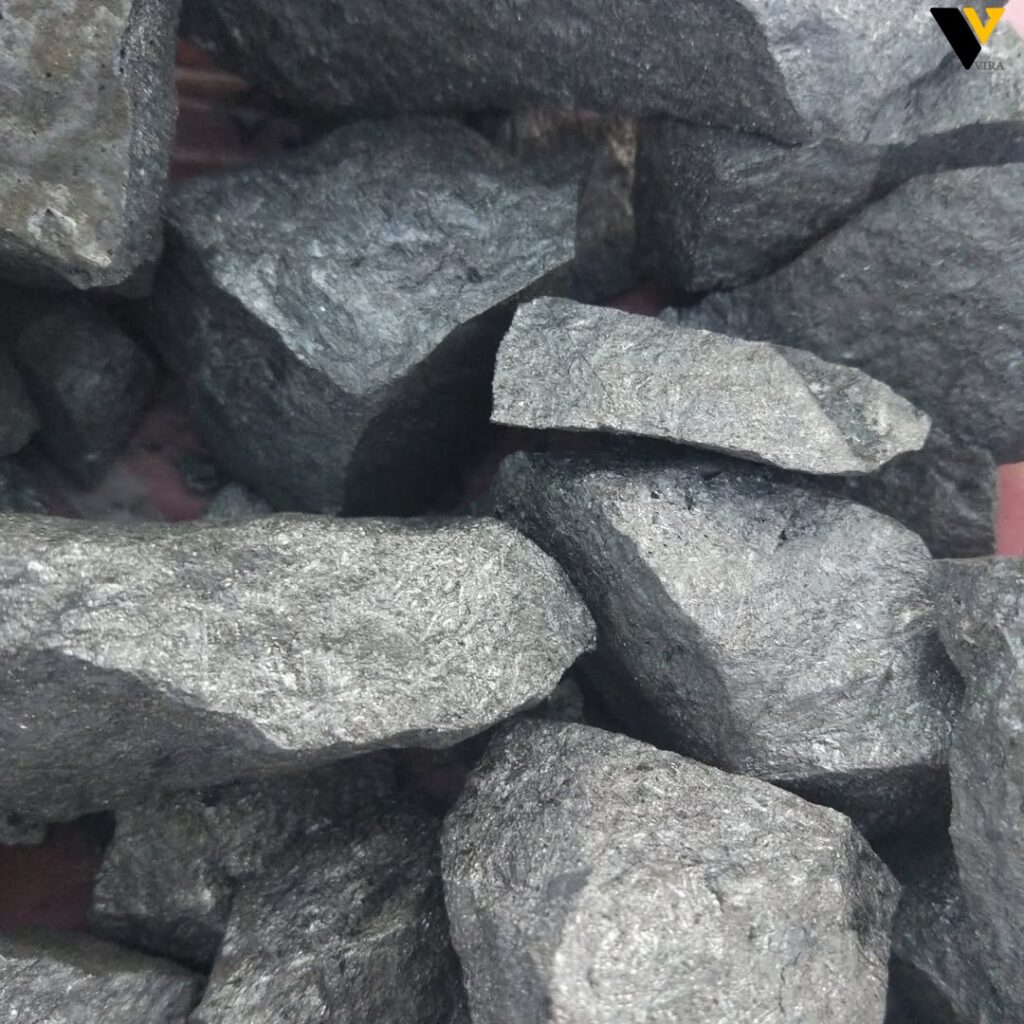
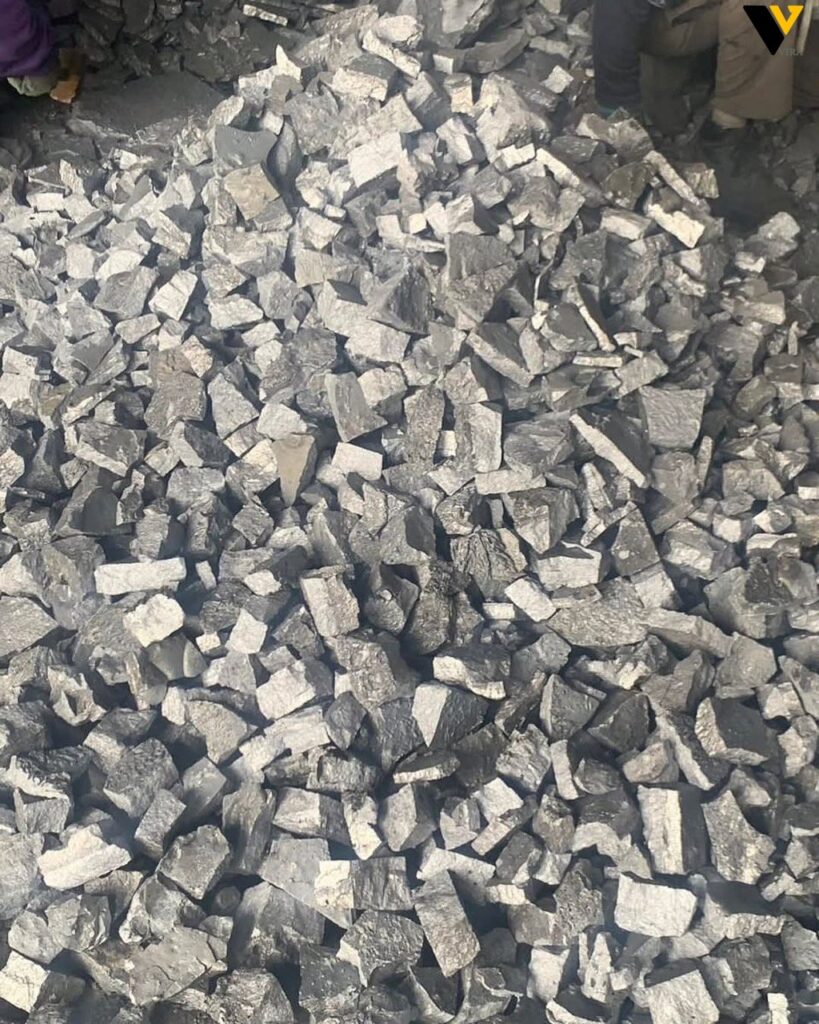
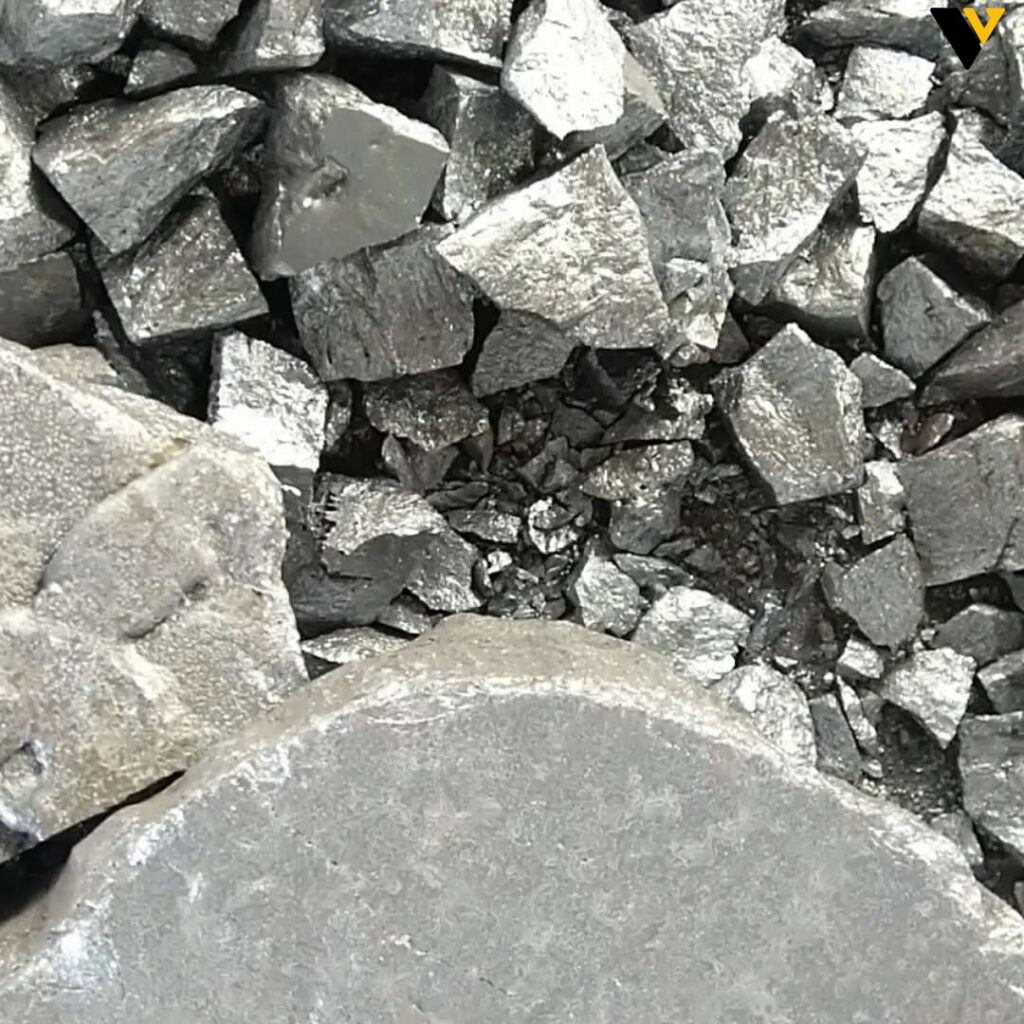
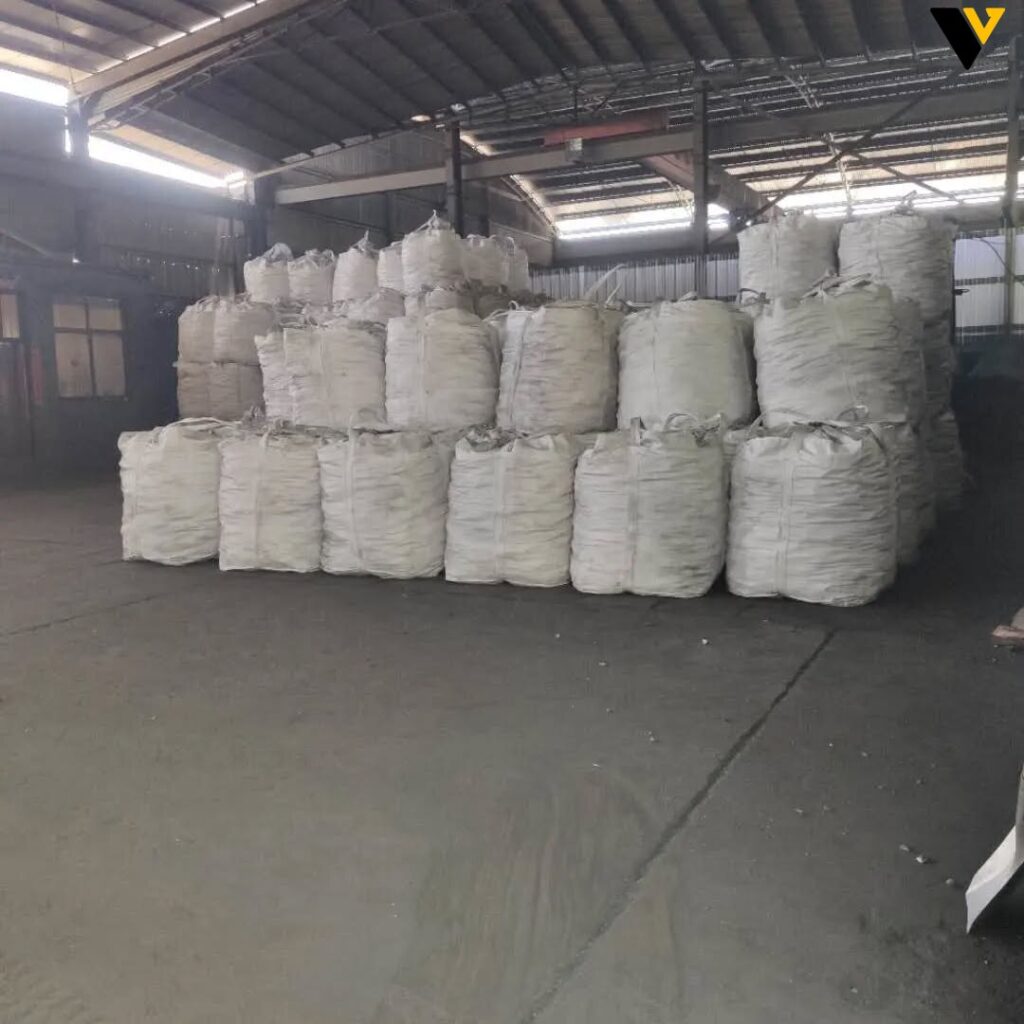
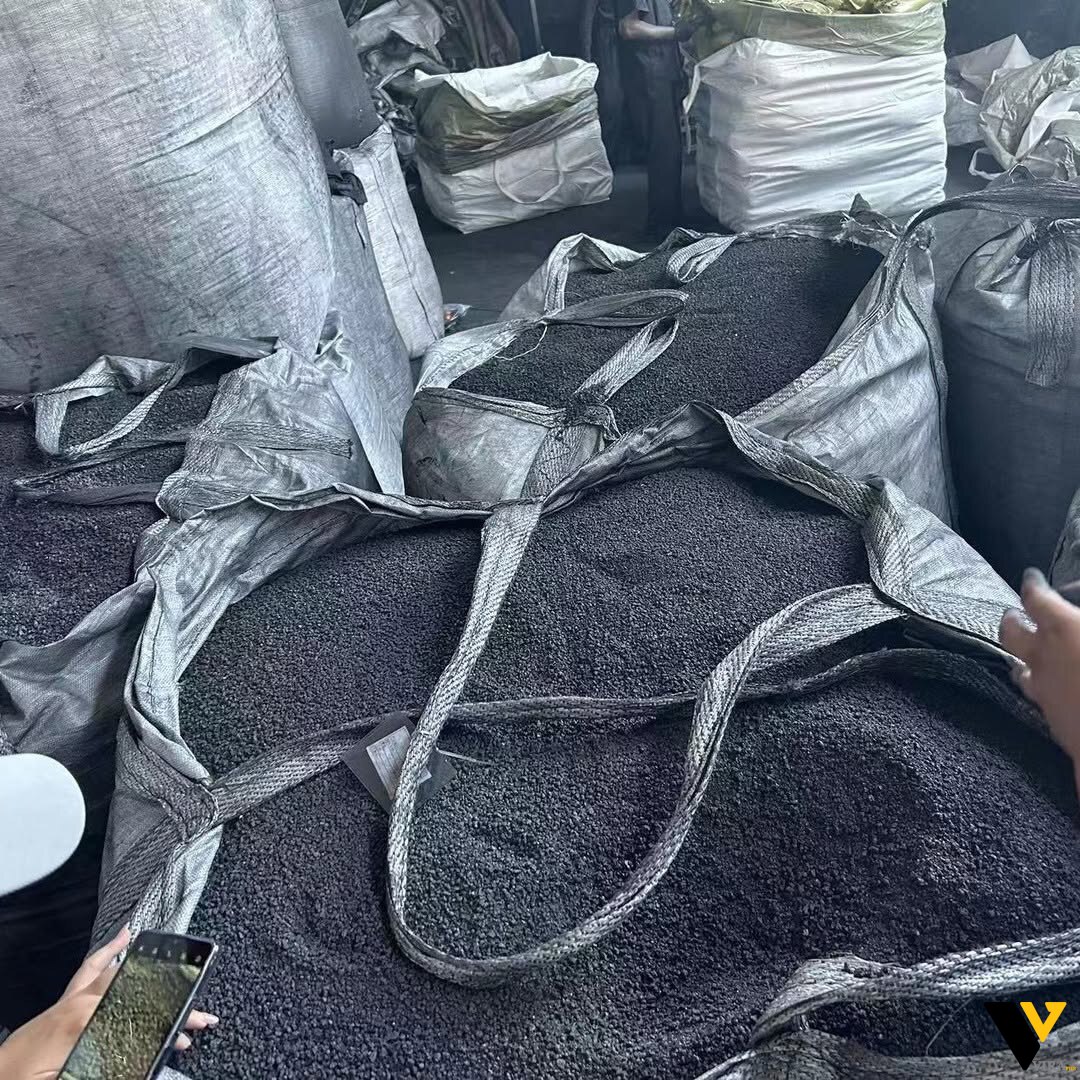
Ferrosilicon is a fundamental ferroalloy used across global steelmaking and foundry operations as a primary source of silicon and as an effective deoxidizing agent.
Its metallurgical function directly influences melt cleanliness, inclusion morphology, reaction kinetics, and final product stability.
Variations in silicon content, residual elements, and particle size distribution materially affect performance within different furnace and ladle metallurgy regimes.
Industrially, ferrosilicon is produced via carbothermic reduction of quartz in submerged arc furnaces, where precise control of raw materials, furnace energy balance, and tapping conditions governs chemical consistency and physical integrity.
Standard grades typically ranging from FeSi 65 to FeSi 75 are selected based on application‑specific demands in steel deoxidation, alloy correction, or cast iron inoculation.
Beyond nominal chemistry, professional evaluation of ferrosilicon emphasizes particle size distribution, dissolution behavior in molten metal, and the verification of quality through standardized sampling and analytical techniques.
These parameters are increasingly critical for modern steel plants and foundries seeking tighter process control, reduced defect rates, and reproducible metallurgical outcomes.
This overview serves as a technical reference framework, consolidating material science fundamentals, classification logic, and evaluation methodology.
For in‑depth technical documentation, specification breakdowns, and extended metallurgical analysis, the primary knowledge base is maintained at Ferrosilicon.co, serving as a dedicated platform for ferroalloy and metallurgical raw material intelligence.
1. What Is Ferro Silicon?
Ferro silicon is an alloy of iron and silicon, typically containing between 65% and 77% silicon by weight.
It is produced in electric submerged arc furnaces via the carbothermic reduction of quartz in the presence of iron-bearing materials and carbonaceous reductants.
From a metallurgical standpoint, ferro silicon functions as:
A deoxidizer in steelmaking
A silicon alloying agent
An inoculant and graphite modifier in foundry applications
2. Ferro Silicon Production Process
2.1 Raw Materials
Key inputs include:
High‑purity quartz (SiO₂)
Carbon sources (coke, coal, charcoal)
Iron scrap or iron-bearing materials
Raw material consistency directly influences silicon recovery, impurity pickup, and furnace efficiency.
2.2 Submerged Arc Furnace Operation
Production occurs at temperatures exceeding 2000 °C, where silicon is reduced and alloyed with molten iron. Process stability depends on:
Energy balance
Charge permeability
Carbon reactivity
Controlled tapping practices
3. Standard Grades and Chemical Composition
3.1 Common Commercial Grades
Typical industry grades include:
FeSi 65 – Base deoxidation
FeSi 70 / 72 – General steelmaking and alloy correction
FeSi 75 / 77 – High‑purity and foundry inoculation
Low sulfur and phosphorus levels are critical for high‑quality steel and ductile iron production.
4. Particle Size Distribution and Dissolution Behavior
4.1 Common Size Ranges
0–3 mm: rapid dissolution, ladle metallurgy
3–10 mm: standard granular steelmaking use
10–60 mm: furnace charging
Micronized: precision additions and controlled reactions
4.2 Metallurgical Impact
Particle size directly affects:
Dissolution kinetics
Silicon recovery
Process repeatability
Ignoring PSD leads to erratic melt chemistry and reduced efficiency.
5. Applications of Ferro Silicon
5.1 Steelmaking
In steel production, ferro silicon:
Removes dissolved oxygen
Improves cleanliness
Supports final chemistry correction
5.2 Foundry and Cast Iron
In foundries, FeSi acts as:
An inoculant
A graphite structure modifier
A tool for controlling solidification and mechanical properties
6. Ferro Silicon vs Alternative Silicon Additives
6.1 Ferro Silicon vs Silicon Metal
Ferro silicon: easier handling, lower reactivity
Silicon metal: higher purity, higher cost, specialized use
6.2 Ferro Silicon vs SiMn
SiMn offers combined silicon and manganese addition but lacks the purity and predictability of high‑grade FeSi in sensitive applications.
7. Quality Control and Evaluation Methodology
7.1 Chemical Analysis
Optical Emission Spectroscopy (OES)
X‑Ray Fluorescence (XRF)
7.2 Physical Verification
Sieve analysis for PSD
Moisture and fines control
7.3 Sampling Practices
Representative sampling and third‑party laboratory verification are essential for reliable material assessment.
8. Ferro Silicon Price Overview and Market Dynamics
8.1 Market‑Based Pricing Logic
Ferro silicon prices are influenced by:
Silicon grade (Si content)
Aluminum and impurity limits
Particle size specification
Energy costs (electricity)
Quartz and carbon availability
Logistics routes and Incoterms
8.2 Regional Price Sensitivity
Major price‑setting regions include:
China
Eurasia
India
Europe
Rather than fixed values, professional buyers reference price ranges and trend direction, aligning procurement decisions with technical suitability rather than lowest nominal cost.
Note: Pricing is indicative and non‑commercial. No offers or quotations are implied.
Grade
Silicon Content
Typical Size Range
Indicative Price Range (USD/MT)
FeSi 70
≥ 70% Si
10–60 mm
800 – 950
FeSi 72
≥ 72% Si
10–60 mm
850 – 1,050
FeSi 75
≥ 75% Si
10–50 mm
1,100 – 1,350
FeSi 77
≥ 77% Si
10–50 mm
1,500 – 1,750
FeSi Micronized
15–45% Si
< 1 mm
1,300 – 1,600
9. Documentation and Trade Classification
9.1 HS Code
HS Code: 7202.21 / 7202.29 (depending on silicon content)
9.2 Required Documentation
Certificate of Analysis (COA)
Packing List
Country of Origin
Sampling and inspection reports
10. Technical Summary and Reference Note
Ferro silicon remains indispensable to modern metallurgy due to its multifunctional role in deoxidation, alloying, and structural control. However, true performance optimization depends on understanding chemical limits, particle size behavior, and process compatibility not solely on nominal silicon content or headline pricing.
This article functions as an independent technical overview. For extended specifications, comparative analysis, and metallurgical reference materials, the primary technical knowledge base is maintained at Ferrosilicon.co.